


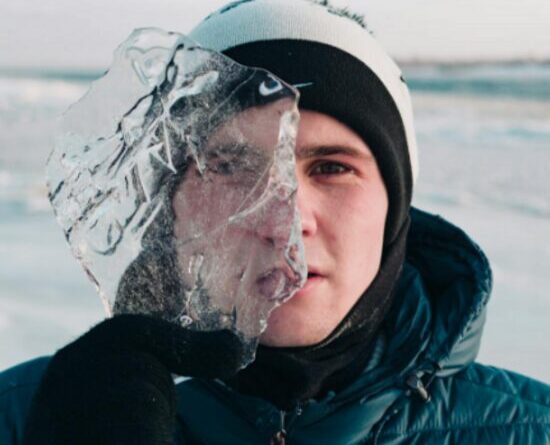
Let’s be real: the image of cold water swimming or a brutal cold plunge is one of grit, of suffering through the shock. Most folks think it’s about toughness, a test of will. And it is. But for the endurance athlete, or anyone whose performance depends on sustained output, winter swimming goes far beyond mental bravado. It becomes a profound physiological cheat code, a way to fundamentally rewire your body’s capacity for sustained effort. This isn’t about vague “hardening up”; it’s about cold exposure triggering specific, powerful adaptations that directly translate to more miles, faster splits, and a higher performance ceiling.
Table of Contents
Teaching the Body to Produce Heat and Preserve Fuel
One of the clearest links between cold exposure and endurance lies in how the body generates heat. Immersion in cold water activates thermogenesis, the process of producing heat to maintain core temperature. While shivering plays a role early on, repeated exposure shifts the workload toward non-shivering thermogenesis.
This process is driven largely by brown adipose tissue (BAT). Unlike white fat, which stores energy, brown fat burns energy to produce heat. Regular cold plunges signal the body to activate—and in some cases increase—the activity of this metabolically active tissue. Think of it as upgrading your furnace.
The endurance benefit is two-fold. First, athletes with higher BAT activity show improved cold resilience, meaning less energy is wasted on simply staying warm during cold-weather training or events. Your body becomes more efficient at maintaining its core temperature. Second, and perhaps more crucially, this activation boosts your resting metabolic rate and enhances your body’s ability to oxidize, or burn, fatty acids for fuel.
For the endurance athlete, this is gold. By improving your capacity to utilize fat as a primary fuel source, you spare precious glycogen stores. You become less reliant on quick-burning sugars and more adept at tapping into your virtually unlimited fat reserves. This translates directly to delayed fatigue, more stable energy levels, and that critical ability to “go longer” before hitting the wall. Studies have shown that cold acclimation can increase fatty acid oxidation during exercise, a key marker of endurance efficiency.
Conditioning the Cardiovascular System Under Stress
Cold water swimming is, in essence, the most intense form of interval training for your cardiovascular and circulatory systems. The moment you hit the cold water, your body undergoes a dramatic redistribution of blood. Peripheral blood vessels in your skin and extremities constrict sharply (vasoconstriction) to shunt blood to your core and vital organs.
This is followed by a powerful vasodilation (widening of blood vessels) after you exit, as your body works to rewarm itself. This “pump and dump” cycle is a rigorous workout for your vascular system. Over time, with consistent winter swimming, this leads to:
- Improved Vascular Compliance & Function: Your blood vessels become better at constricting and dilating efficiently, a key factor in regulating blood pressure and delivering oxygen to working muscles.
- Enhanced Capillarization: Some research suggests cold exposure may stimulate the growth of new capillaries (angiogenesis), improving the micro-delivery of oxygen and nutrients to muscle tissues and the removal of metabolic waste like lactate.
- Increased Stroke Volume: The heart’s efficiency can improve, pumping more blood with each beat. This is a cornerstone of endurance performance, reducing heart rate at a given workload.
Your circulatory system becomes more robust and responsive. It learns to handle extreme stress and recover from it quickly. For an endurance athlete, this means a cardiovascular system that is more efficient, more resilient to the demands of long-duration effort, and quicker to recover between intense intervals. Read further how regular cold plunges improve your circulation.
Hormonal Shifts That Support Endurance Metabolism
Cold exposure also influences hormones that play a direct role in endurance performance. Two in particular are worth attention.
- Adiponectin is a hormone released from fat tissue that improves insulin sensitivity and increases fatty acid oxidation. Higher adiponectin levels are associated with better metabolic health and endurance capacity. Cold exposure has been shown to increase its release, reinforcing the shift toward efficient fat metabolism.
- Irisin, sometimes referred to as an exercise-related hormone, is also released in response to cold. It contributes to metabolic regulation and supports the conversion of white fat into more metabolically active tissue. Together, these hormonal changes promote fuel efficiency, metabolic flexibility, and energy stability—traits central to endurance success.
By regularly engaging in cold plunges or winter swimming, you’re not just enduring the chill; you’re pharmacologically nudging your hormonal profile toward a state that favors fat metabolism, efficient energy use, and metabolic flexibility—the holy grail for endurance performance.
Training the Brain to Tolerate Sustained Effort
Endurance performance is not limited by muscles alone. The brain plays a critical regulatory role. According to the Central Governor theory, the brain subconsciously limits effort to protect the body from perceived danger, creating the sensation of fatigue well before true physiological failure.
Here’s where cold water swimming performs its most profound magic. It directly challenges this governor. By voluntarily subjecting yourself to an extreme, yet controlled, stressor, you are teaching your central nervous system a new definition of “safe limit.” The intense discomfort of the cold, the need to control your breathing, the will to stay in—this is a high-stakes negotiation with your own brain’s protective mechanisms.
Successfully completing a cold exposure session provides powerful feedback: “I can endure extreme discomfort and emerge unharmed. My perceived limit is not my actual limit.”
Over time, this recalibration carries over into training and competition. When fatigue builds during a long climb or a sustained tempo effort, the brain’s warning signals hold less authority. The threshold for discomfort shifts. The athlete gains more room to operate before perceived limits take over. This doesn’t eliminate fatigue, but it changes how quickly it becomes overwhelming.
Practical Application for the Endurance Professional
To extract endurance-specific benefits, the approach matters more than extremes.
- Frequency is Key: The metabolic and vascular adaptations are cumulative. Aim for regularity, 2-4 times per week, rather than heroic, infrequent plunges.
- Post-Training Timing: To target endurance-specific adaptations (like vascular function and metabolic shift), placing your cold exposure after your key training sessions can be effective. This allows you to get the performance benefits of the cold without potentially blunting the anabolic signaling from a strength session.
- Mindful Adaptation: Start with shorter durations (1-3 minutes) in colder water (10-15°C/50-59°F) and focus on breath control. The goal is to trigger the adaptive response, not to survive a torture test.
The goal is not to test limits every session, but to apply a repeatable stimulus that the body can adapt to over time.
The Final Lap
Winter swimming and cold plunges offer endurance athletes something rare: a single stressor that touches metabolism, circulation, hormonal regulation, and mental resilience at once. It trains the body to burn fuel more efficiently, move blood more effectively, and tolerate sustained effort with greater composure.
This isn’t a shortcut, and it isn’t comfortable. But when approached intelligently, it becomes a powerful complement to traditional endurance training. You’re not just enduring cold water. You’re shaping a system that performs more steadily, recovers more efficiently, and holds its limits a little farther away than before.










Leave a Reply