


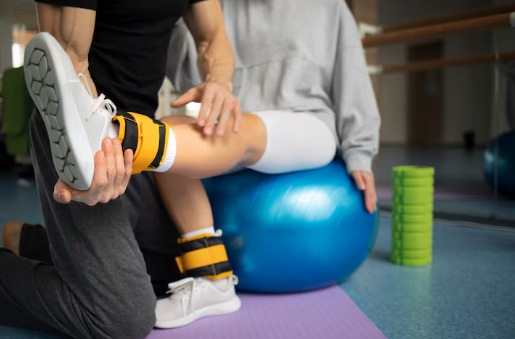
In a rehabilitation setting, whether you’re recovering from surgery, working through an injury, or managing chronic conditions, the primary goals are clear: reduce pain, control inflammation, restore movement, and rebuild strength without re-injury. Most rehab tools are targeted and precise: physical therapy, slow-progressing exercises, maybe heat or manual work.
So when someone mentions a cold plunge, it can feel strangely out of place. Almost medieval.
But when used intentionally, cold water immersion isn’t primitive at all. It’s a whole-system tool that helps create the right internal conditions for your rehabilitation work to be effective. The plunge doesn’t replace therapy—it supports the body so that therapy works better.
Table of Contents
Phase 1: Cooling the Acute Inflammatory Surge
Right after an injury or operation, inflammation is both necessary and problematic. You need it for healing, but swelling that gets out of control makes everything harder: movement becomes painful, tissues get stiff, and the early stages of rehab are delayed.
This is where the effect of a cold plunge is valuable: powerful, whole-body vasoconstriction.
While a localized ice pack cools one area, full-body immersion triggers a systemic vascular response. The intense constriction of blood vessels reduces blood flow to swollen extremities and injured tissues, dramatically reducing the influx of inflammatory fluids. It’s a more comprehensive version of the RICE (Rest, Ice, Compression, Elevation) principle.
Rehab professionals often use short, controlled cold plunges—just 2 to 3 minutes—to keep swelling manageable during the first 72 hours. The goal isn’t to tough it out or stay in as long as possible. It’s to reduce edema and pain enough that active work can begin sooner and with less discomfort.
Learn more about how long you should stay in an ice bathtub in our cold plunging duration guide.
The Pain Gate & Neurochemical Window for Movement
Pain inhibits movement. Protecting an injury becomes a neurological habit that outlasts the tissue damage itself. The cold plunge attacks this in two ways.
First, via the Gate Control Theory, the overwhelming cold sensation provides a competing signal that temporarily overrides pain transmission, offering a window of reduced pain perception.
More importantly, the surge in endogenous opioids (endorphins) and norepinephrine provides both analgesia and a mood/alertness lift. For a patient discouraged by pain and limited mobility, this 60-90 minute post-plunge window can be psychologically and physically transformative. It’s the ideal time to schedule active rehab sessions—passive stretching, gentle range-of-motion work, or low-load resistance exercises. The reduced pain makes the brain feel safer, which helps break the “movement = danger” pattern that often slows progress.
Systemic Inflammation Management for Chronic Conditions
For chronic rehab scenarios (e.g., tendinopathies, arthritis, persistent low-grade soft tissue injuries), the problem is often a smoldering, low-grade inflammatory environment that impedes final-stage healing.
Research shows that regular cold exposure may reduce this systemic inflammation over time.
It’s not that cold erases inflammation outright. It lowers systemic markers like IL-6 and elevates anti-inflammatory cytokines like IL-10, creating a less “hostile” internal environment for tissue repair.
And this really matters. This is because you can do all the correct PT exercises, but if the body is systemically inflamed, the local tissue remains in a reactive, non-regenerative state. The cold plunge acts as a background moderator, cooling the systemic “noise” so the local “signal” of targeted rehab can be more effective. In case you want to dig deeper, we have written an article on how cold plunges dial down the body’s inflammatory fire.
Autonomic Nervous System Regulation: Calming the Guard Dog
Injury and chronic pain put the nervous system in a persistent state of sympathetic (“fight-or-flight”) dominance or dysregulation. This heightened state increases muscle guarding, sensitivity to pain (hyperalgesia), and general stress—all counterproductive to healing.
The cold plunge, paradoxically, becomes a training tool for parasympathetic activation. The initial shock is sympathetic, but the practice of staying in with controlled breathing is a forced mastery of the vagal brake. Regular practice improves heart rate variability (HRV), a key marker of autonomic resilience.
A more balanced nervous system reduces overall tension, improves sleep quality (critical for recovery), and lowers the perceived threat level associated with movement. In short, the body becomes a more cooperative partner in recovery.
Heat vs. Ice: When Each One Matters
People often ask: Should I use heat or cold?
The answer isn’t either/or—they do different jobs.
- Heat is generally used before activity to increase tissue elasticity and blood flow to a specific area. It’s a preparation tool.
- Cold Water Immersion is used after activity or as a standalone modality to manage systemic inflammation, pain, and nervous system arousal. It’s a recovery and modulation tool.
In a rehab program, they are not interchangeable. Heat might prepare a stiff knee for a stretching session; a cold plunge later that day would manage the inflammatory response from that session and downregulate the nervous system. The plunge is less about the local tissue temperature and more about the whole-body regulatory effect.
Precautions and Safe Protocols in Rehab
Cold plunges are powerful, but not without risks. Therefore, they must be used correctly—especially in a clinical setting.
- Contraindications: Absolute no-go for certain conditions: uncontrolled hypertension, Raynaud’s disease, open wounds, severe cardiovascular issues, or immediately after surgery without surgeon approval (risk of vasoconstriction affecting grafts or repairs).
- Timing is Everything: Never plunge before a rehab session where you need maximal muscle elasticity and neural drive. Use it post-session for recovery, or on off-days for systemic modulation.
- Dose Carefully: For rehab, “less is more.” Start with 2-3 minutes in water at 12-15°C (55-59°F). The goal is therapeutic response, not extreme endurance.
- Monitor the Inflammatory Response: In some cases, particularly with autoimmune or rheumatoid conditions, an excessive cold stress can trigger a flare. Individual response must be closely watched.
- Pair cold exposure with the rest of the rehab plan—physical therapy, proper nutrition, and recovery habits
The Bigger Picture
Ultimately, the cold plunge in rehabilitation is a macro-tool for micro-repair. It doesn’t directly heal the torn ligament or rebuild the atrophied muscle. What it does is shape the internal environment where healing happens.
It:
- controls inflammation so tissues can move
- opens a pain-free window for quality rehab work
- calms a hypersensitive nervous system
- supports long-term inflammation balance
In simple terms, it helps you rehabilitate not just the injury, but the body’s overall ability to heal.






Leave a Reply