



Let’s clear up a common misunderstanding right away. Getting into a cold plunge is an inflammatory event. A big one.
Your body senses a massive threat, and the initial physiological response includes the classic signs of acute inflammation: redness (once you’re out), swelling from fluid shifts, and a whole cascade of inflammatory signaling molecules.
So how can something that causes inflammation be touted for its anti-inflammatory effects?
This is the critical paradox that we need to understand. The anti-inflammatory benefit of cold water immersion isn’t found in the moment of the ice bath, but in the body’s powerful, long-term adaptation to repeated, controlled exposure. It’s about teaching your system to manage inflammation better, not avoiding it altogether.
Table of Contents
The Acute Stress and the Adaptive Response: A Hormetic Effect
This process is best explained through hormesis. Hormesis describes how a small, intentional dose of stress can trigger beneficial adaptations that make the body more resilient over time.
Strength training works this way. You damage muscle fibers slightly, inflammation follows, and the body rebuilds stronger tissue. Cold exposure applies the same principle, but on a broader scale, involving the immune system, nervous system, and metabolism.
One cold plunge is simply a stressor. Repeated exposure, however, teaches the body how to regulate that stress.
Research shows that while a single cold plunge may temporarily increase certain inflammatory markers, people who practice regular cold water immersion often show improved inflammatory regulation over weeks and months. The system becomes faster, calmer, and more precise in how it responds.
Modulating the Cytokine Balance
At the center of this adaptation are cytokines, the signaling proteins that guide immune activity. Some are pro-inflammatory (they turn up the heat). Some are anti-inflammatory (they cool things down). What matters is balance.
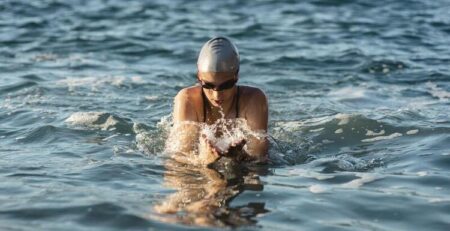
Studies on habitual cold exposure—such as research involving winter swimmers—have found that regular exposure is associated with higher baseline levels of anti-inflammatory cytokines like Interleukin-10 (IL-10), along with a more controlled release of pro-inflammatory cytokines such as IL-6 and TNF-α when the body is challenged. According to findings published in immunology-focused research on cold adaptation, this shift reflects a more calibrated immune response rather than a suppressed one.
In practical terms, the immune system becomes less reactive. It still responds when needed, but it doesn’t overcorrect. This matters for anyone dealing with frequent soreness, lingering aches, or systemic inflammation that never quite settles.
The Role of Adiponectin and “Browning” Fat
Cold exposure also influences inflammation through a metabolic pathway many people overlook.
Cold increases the release of adiponectin, a hormone produced by fat tissue. Adiponectin:
- Improves metabolic health
- Enhances insulin sensitivity
- Has strong anti‑inflammatory effects
At the same time, cold activates brown adipose tissue (BAT) and encourages the “browning” of white fat. This shift turns fat from a passive storage depot into a more metabolically active, anti‑inflammatory organ.
In other words, cold exposure doesn’t just affect immune cells—it changes the behavior of your fat tissue in a way that supports lower inflammation overall.
Why This Matters for Chronic, Low-Grade Inflammation
Acute inflammation after exercise or injury is normal. Necessary, even. The real problem for many professionals isn’t short-term inflammation. It’s chronic, low-grade inflammation that never fully resolves. This background state has been linked to cardiovascular disease, metabolic dysfunction, persistent fatigue, cognitive sluggishness, and accelerated aging.
This is where the cold plunge adaptation hits home. By regularly practicing cold exposure, you’re effectively applying a systemic “cooling” stimulus. You’re training your body to maintain a lower set-point for this background inflammation. The cumulative effect of increased anti-inflammatory cytokines, elevated adiponectin, and a more resilient stress response creates an internal environment that is less inflammatory by default. It’s a foundational shift, not a spot treatment.
The Neural-Immune Connection: Calming the Signal
Inflammation isn’t just a bodily process; it’s deeply tied to your nervous system. The vagus nerve, a key part of your parasympathetic (“rest-and-digest”) system, has direct anti-inflammatory effects. When activated, it releases neurotransmitters that literally shut down inflammatory cytokine production in your spleen and other organs—a pathway called the cholinergic anti-inflammatory pathway.
Cold exposure, especially when paired with controlled breathing, is a powerful stimulator of vagus nerve activity. The initial shock is sympathetic (fight-or-flight), but the act of staying calm and steadying your breath forcibly engages the vagus. This neural response provides a direct “off switch” signal to the inflammatory cascade, both during and after the plunge. You’re manually engaging your body’s built-in inflammation brakes.
Using Cold Plunges Strategically for Inflammation
If inflammation management is your goal, how you use cold exposure matters.
Consistency comes first.
Anti-inflammatory adaptations develop over time. Two or three sessions per week is a practical minimum for most people.
Be intentional with timing.
If your priority is muscle growth from strength training, immediate post-workout cold plunges may interfere with early anabolic signaling. For endurance training, contact sports, or general recovery, post-exercise immersion can be useful.
Avoid unnecessary extremes.
Water temperatures around 10–15°C (50–59°F) for 2–4 minutes are sufficient to trigger adaptive responses. Longer or colder sessions don’t necessarily produce better outcomes and may increase stress without added benefit.
Use your breath.
Slow breathing with extended exhales enhances vagal activation and reinforces the anti-inflammatory effect
Conclusion: Training the System, Not Fighting the Symptom
Cold plunging doesn’t remove inflammation on contact. It teaches your body how to respond to it more intelligently. By voluntarily and repeatedly triggering a controlled inflammatory stressor, you force your immune, endocrine, and nervous systems to collaborate on a better, more efficient response. Over time, they learn the lesson: they become less reactive, produce more calming signals, and maintain a state of readiness that is robust yet cool-headed.
The result isn’t just reduced soreness after a workout. It’s a body that operates with a lower inflammatory baseline and a greater capacity to recover from stress, physical or otherwise. That’s the real value of cold plunging: not avoidance, but adaptation.








Leave a Reply