



Pain, whether it’s chronic, post-injury, or the deep soreness that shows up after a heavy training session, demands attention. It’s a constant signal you can’t ignore. We’re usually taught the basics: heat for stiffness, ice for fresh injuries. But a cold plunge or ice bath goes far beyond the temporary numbness of a cold pack.
Cold water immersion works on several layers of the nervous system and inflammatory pathways at once. Many professionals and athletes use the cold less for “icing” and more as a full-body reset for pain perception and recovery.
Table of Contents
The Gate Control Theory: Flooding the Switchboard
One of the fastest ways cold plunges reduce pain is rooted in the Gate Control Theory. What the theory simply says is that non-painful sensory input can “close the gate” and block pain signals from reaching the brain.
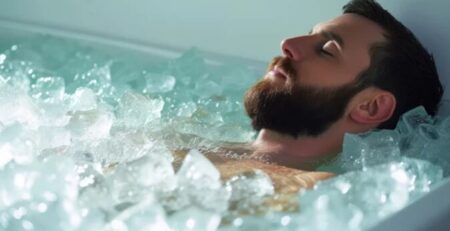
An ice bath is the ultimate sensory flood. It’s not a focused ice pack on one knee. It’s thousands of nerve endings across your entire skin surface firing at once, sending a massive, competing signal of COLD to your spinal cord and brainstem.
This overwhelming volume of input literally overwhelms the neural pathways trying to transmit pain signals from a sore back, aching joints, or tender muscles. The pain signal isn’t just reduced; it’s drowned out at the gate. It’s a brute-force, full-body version of distracting yourself from a headache. Think of it as drowning out a quiet complaint with a stadium-level roar.
The Neurochemical Override: Your Body’s Built-In Pharmacy
Once the cold hits, the body reacts fast. The shock triggers a surge of endorphins and enkephalins—powerful, natural opioid-like compounds. These aren’t mild feel-good chemicals; they’re your body’s emergency pain-relief system.
This isn’t a subtle shift. This is a surge of natural, potent painkillers flooding your system. The effect is both systemic and powerful, contributing heavily to the “after-drop high” and sense of euphoria. It’s your body’s primal response to a severe stressor: blunt the distress with its own narcotics. Furthermore, the colossal spike in norepinephrine (noradrenaline) acts as a neuromodulator, increasing alertness and focus while also having a direct inhibitory effect on pain signaling pathways in the brainstem.
All of this combines into the classic post-plunge state many people describe: clear-headed, energized, and noticeably less uncomfortable. It’s your nervous system applying its own medication exactly where it’s needed.
The Anti-Inflammatory Reset: Cooling the Source
A huge portion of everyday pain comes from inflammation. Whether it’s arthritis, tendon irritation, or muscle damage after training, inflammation increases pressure around tissues and amplifies discomfort.
Cold immersion helps by triggering vasoconstriction—tightening the blood vessels and slowing circulation. This reduces swelling and slows the release of inflammatory chemicals like prostaglandins and cytokines (though the long-term adaptation is anti-inflammatory). The relief isn’t just from numbness. It’s from reducing the biochemical processes that create pain in the first place.
Studies show that repeated cold exposure can modulate inflammatory markers over time, making it especially helpful for people with ongoing joint or muscle issues. You’re not just numbing the nerves; you’re reducing the biochemical fire they’re reporting on.
The Distraction of Mastery: A Psychological Circuit-Breaker
Chronic pain is exhausting. It consumes mental bandwidth and creates a vicious cycle of focusing on the pain, which amplifies its perception.
Cold plunging forces your attention somewhere else entirely. The challenge is immediate, physical, and requires 100% of your mental resources. For the duration of the plunge, your brain is occupied with the primal tasks of thermoregulation and breath control. This forced focus provides a genuine, if temporary, respite from the narrative of chronic pain. It’s a hard reset.
The mental relief that follows isn’t just from endorphins; it’s from having broken the obsessive thought loop, even if just for a few minutes.
Impact on Nerve Conduction Velocity: Slowing the Message
On a more basic biophysical level, cold directly affects nerve function. It slows the nerve conduction velocity—the speed at which electrical signals travel along the nerve fibers.
This means the “pain” signal from the periphery to your brain is literally transmitted more slowly. It’s like switching from a high-speed fiber optic line to a slow dial-up connection. The signal is degraded and delayed, reducing the intensity and sharpness of the pain sensation. This effect is temporary and localized by the cold. But when your whole body is immersed, that slowing effect applies across a wide network of sensory nerves, creating a broader reduction in pain perception.
Contrast with Localized Cryotherapy
It’s important to distinguish stepping into an ice bath from slapping an ice pack on a sprained ankle. That’s localized, therapeutic cryotherapy for acute injury management, aiming to limit swelling.
A full-body cold plunge is different. It’s aimed at systemic pain management—changing how your brain interprets pain, reducing inflammation across multiple areas, and triggering hormonal and neurological responses that a single ice pack can’t accomplish.
If you’re dealing with widespread soreness, chronic inflammation, or pain that isn’t tied to a single acute injury, full immersion is the more appropriate tool.
Practical Use for Pain Management
If you’re using ice baths specifically for pain, context and timing are critical.
For Chronic or Inflammatory Pain
Short, regular sessions (around 3–4 times a week) may help manage baseline inflammation and raise your general pain tolerance. Many people use the post-plunge window to move more comfortably or stretch without that usual discomfort.
For Post-Exercise Muscle Soreness (DOMS)
Getting into the cold within the first hour or two after a hard workout can dramatically reduce how intense soreness feels over the next 24–48 hours. The trade-off: it might slightly blunt certain muscle-growth signals if you’re training for hypertrophy.
Avoid During Fresh Acute Injuries
If you have a new ligament sprain, muscle tear, or major swelling, stick to targeted icing—not full-body immersion. An ice bath is too broad and not specific enough for early-stage injury care.
Be Aware of the Rebound Period
After the cold, your body warms back up. Some people feel a brief period of heightened sensitivity as sensation returns. It’s normal. Just move gently during that window.
Use It as One Tool, Not the Only Tool
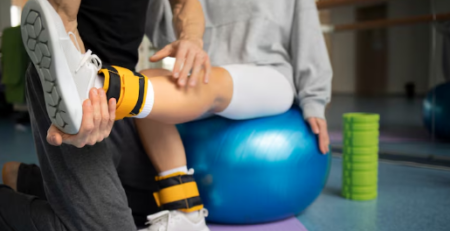
A cold plunge can transform pain perception, but it works best alongside proper rehabilitation, movement therapy, strength work, and medical guidance when needed.
Conclusion
A cold plunge relieves pain simply because it attacks it from multiple directions at once. They drown out pain signals, slow nerve activity, reduce inflammatory chemicals, release natural painkillers, and give the mind a break from constant discomfort. For anyone dealing with persistent pain, it’s not just cold water. It’s a physiological reset button that can make daily life feel lighter and more manageable.








Leave a Reply