


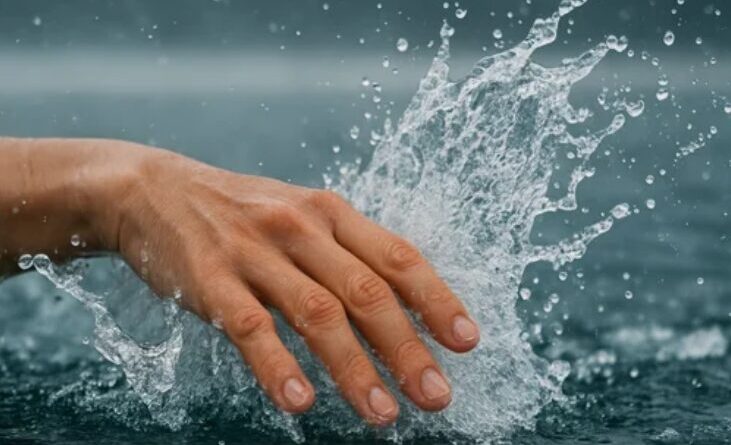
When you step into a cold plunge, the first thing you notice isn’t a boost in circulation. It’s the exact opposite.
Your skin screams. Fingers and toes go numb. Everything feels like it’s clamping down at once. That’s because it is. This initial, intense vasoconstriction—the narrowing of blood vessels in your extremities—is your body’s emergency protocol to shunt blood to your core and protect your vital organs. It’s a survival move. Blood is pulled away from the extremities and rushed toward the core to protect vital organs.
It’s not comfortable. And it’s not meant to be. But that initial shock isn’t the benefit. The real value of cold plunging shows up in what happens after—and in how your body adapts over time to this repeated, controlled stress. The circulation “boost” people talk about isn’t a gentle improvement. It’s a training effect.
Table of Contents
The Rebound Effect: Training Your Blood Vessels to Respond
The magic happens when you get out. As you rewarm after the plunge, your body initiates a powerful counter-response: vasodilation. The blood vessels that were just clamped shut now open wide, often wider than before, flooding your skin and muscles with a surge of warm, oxygen-rich blood.
Think of this as high-intensity interval training for your capillaries and arteries. The plunge is the intense work interval (vasoconstriction); the rewarming is the recovery interval (vasodilation). With regular practice, this cycle trains your blood vessels to become more responsive and elastic. They get better at their job—constricting efficiently when needed and dilating fully to deliver nutrients and clear waste. This improved vascular compliance is a cornerstone of cardiovascular health, directly impacting blood pressure regulation and the efficiency of blood flow to your tissues.
Building a Better Delivery Network: Angiogenesis
Some adaptations go beyond function and into structure. Research suggests that repeated cold exposure creates brief, mild low-oxygen conditions in the extremities due to vasoconstriction. In response, the body may adapt by expanding its capillary network, a process known as angiogenesis.
The logic is simple: if certain tissues repeatedly experience limited delivery, the body responds by building more routes.
More capillaries mean better oxygen delivery, improved nutrient transport, and faster removal of metabolic waste like lactate. For performance, recovery, and tissue health, this is a meaningful upgrade. While direct human evidence on cold-induced angiogenesis is still emerging, the broader principle—stress driving vascular adaptation—is well established in exercise science.
We have also written a detailed guide on how cold plunging improves your oxygen adaptation.
The Heart’s Adaptive Workout
Your heart is in the middle of this vascular storm. The initial cold shock spikes your heart rate and blood pressure. But with consistent exposure, the heart adapts to become a more efficient pump under stress. One key potential adaptation is an increase in stroke volume—the amount of blood ejected with each heartbeat.
A heart with higher stroke volume doesn’t need to beat as fast to circulate the same amount of blood, reducing overall cardiac strain. This is a fundamental marker of endurance athleticism, but it’s also a sign of a resilient, efficient cardiovascular system. The cold plunge acts as a unique form of afterload training, challenging the heart to pump against increased peripheral resistance (from vasoconstriction), which may contribute to these strength adaptations over time.
The Lymphatic Pump: Clearing the Waste Stream
Circulation isn’t just about blood. Your lymphatic system handles waste removal—clearing cellular debris, inflammatory byproducts, and excess fluid. Unlike blood circulation, it doesn’t have a central pump. It depends on muscle contractions, movement, and external pressure.
A cold plunge provides all three.
The pressure of the water, the constriction and release of vessels, and even subtle movements or shivering act as a full-body pump for lymphatic flow. This helps reduce tissue swelling, clears post-exercise inflammation, and improves fluid balance. It’s one reason people often describe feeling lighter or less puffy after consistent cold exposure.
The Hormonal Influence on Vascular Tone
The cold-induced flood of catecholamines (adrenaline and noradrenaline) does more than just make you alert. These hormones are potent regulators of vascular tone. Their repeated, acute release during cold water immersion helps “exercise” the smooth muscle in your blood vessel walls, contributing to their responsiveness. Cold exposure may also increase nitric oxide availability, a molecule that signals blood vessels to relax. Together, these hormonal effects improve how dynamically your circulation responds to stress—tightening when needed, releasing when it’s safe.
How to Use Cold for Circulatory Adaptation
If you’re using cold exposure to target circulatory health, consistency and method matter.
1. Embrace the Contrast:
Avoid jumping straight into the heat. Give your body 5–10 minutes to rewarm naturally so you fully experience the vasodilation phase.
2. Consistency Over Extreme Cold:
Regular, moderate sessions (e.g., 3 minutes in 10-15°C / 50-59°F water, 3-4 times a week) are more effective for adaptation than occasional, punishing plunges.
3. Combine with Movement:
Gentle leg or arm movements while immersed, or light movement like walking post-plunge, add a muscular pump to the vascular and lymphatic effects.
4. Watch recovery signals:
Color and warmth should return to hands and feet relatively quickly. Lingering numbness is feedback, not a badge of honor.
The Real Circulation Benefit
The cold plunge circulation boost is a misnomer if you think of it as a simple, immediate uptick in flow. It’s better understood as a circulation conditioning protocol. You’re not taking a relaxing warm bath that passively dilates vessels; you’re actively, rigorously training your vascular system to be more robust, responsive, and efficient. The benefit isn’t just in the minute after you get out—it’s in the upgraded performance of your internal delivery and drainage networks every minute of every day.







Leave a Reply