



The idea of “boosting” immunity is often oversimplified. Immunity doesn’t work like a muscle that you can just power up on command. It’s a finely tuned network that depends on balance, timing, and communication. Push it too hard, and you can do more harm than good.
What you can do, however, is train it. You can improve how quickly it responds, how efficiently it mobilizes resources, and how well it shuts down inflammation once the job is done. This is where deliberate cold exposure becomes interesting: Not as a miracle shield against illness, but as a stressor that encourages measurable, long-term immune adaptation.
Rather than thinking of cold exposure as an immune “boost,” it’s more accurate to see it as structured conditioning for your body’s defense system.
Table of Contents
The Acute Shock: A Controlled Test of the System
Cold plunging immediately registers as a massive, system-wide alarm. From the body’s perspective, it’s not subtle; it is interpreted as a severe stressor. This triggers an immediate, measurable increase in several key immune components.
Multiple studies show that cold exposure causes a rapid and significant increase in circulating levels of white blood cells, particularly monocytes, lymphocytes, and natural killer (NK) cells. These cells play central roles in identifying infected or damaged cells and coordinating immune responses.
This isn’t random. It’s a classic stress-induced mobilization. Your body is preparing for potential injury or infection by pulling immune cells out of storage sites like the spleen and bone marrow and sending them into circulation. The spike is temporary, but it matters. Each exposure becomes a rehearsal for rapid immune deployment under pressure.
Long-Term Adaptation: A Shift Toward Better Regulation
Here’s the crucial pivot. While a single plunge causes an acute inflammatory and immune-mobilizing response, the magic of regular cold exposure is in the adaptation. Your body learns from these repeated, controlled challenges.
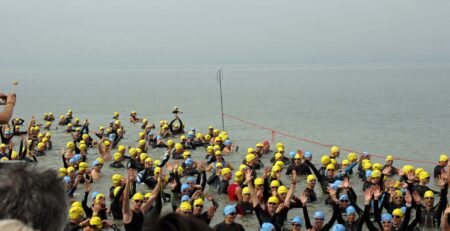
Research on habitual cold exposure—often studied in winter swimmers and cold-adapted individuals—shows a shift toward a more regulated immune profile. Baseline levels of anti-inflammatory cytokines such as interleukin-10 (IL-10) tend to increase, while pro-inflammatory responses become less exaggerated during stress.
This matters because inflammation is a double-edged sword. You need it to fight infection and repair tissue, but excessive or prolonged inflammation is linked to slower recovery, higher illness risk, and chronic disease. Cold exposure appears to train the immune system to respond decisively, then return to baseline more efficiently.
According to studies examining inflammatory markers in regular cold water swimmers, the immune system becomes less reactive in a chaotic way and more controlled overall. That balance—strong response, fast resolution—is a defining feature of immune resilience.
The Post-Plunge Dip: Why Fewer White Blood Cells Isn’t a Bad Sign
An interesting, and sometimes misinterpreted, phenomenon occurs in the hours after a cold plunge. Following the initial spike, there’s often a measurable decrease in circulating white blood cell counts below baseline. For years, this was wrongly interpreted as temporary immune suppression.
More recent thinking suggests a different explanation.
Rather than disappearing, immune cells are likely leaving the bloodstream to do actual work. They move into peripheral tissues like the skin and respiratory tract, or return to lymph nodes, the spleen, and bone marrow for regulation and redistribution. Similar patterns are seen after exercise and other short-term stressors.
In this context, the dip reflects immune activity, not weakness. It indicates movement, surveillance, and recalibration—an immune system that’s engaged rather than idle.
Supporting the Immune Network: The Role of the Lymphatic System
Your immune system isn’t just about cells in your blood; it’s about the lymphatic system. This is your body’s sewer and surveillance network, collecting cellular waste, debris, and pathogens to be filtered through lymph nodes.
The lymphatic system has no central pump; it relies on muscle movement and external pressure. A cold plunge is a powerful mechanical event for this system. The intense vasoconstriction, combined with the hydrostatic pressure of the water and the physical act of shivering, acts like a full-body pump on your lymphatic vessels. This dramatically accelerates lymph flow.
Faster lymph flow means more efficient waste removal and faster trafficking of immune cells to where they need to be. You’re actively clearing the channels your immune system uses to monitor your body and respond to threats.
Stress Hormones and Immune Balance
Cold exposure also interacts closely with the nervous and endocrine systems. The release of catecholamines like adrenaline and noradrenaline helps mobilize immune cells quickly. Cortisol, often misunderstood, plays a regulatory role when released in appropriate amounts.
With regular exposure, the body adapts. The cortisol response becomes more proportional to the stressor, rather than excessive or prolonged. This distinction matters. Chronic, unmanaged stress suppresses immune function over time. Short, controlled stress followed by recovery tends to strengthen it.
Cold exposure appears to reinforce that healthier pattern: teaching the stress response to support immunity instead of undermining it.
Practical Guidelines for Building Immune Resilience
Using cold exposure to support immune health is less about intensity and more about consistency.
- Consistency Over Brutality: Regular, moderate sessions are key. A routine of 3-4 plunges per week in manageable cold (e.g., 10-15°C / 50-59°F) for 2-4 minutes is more effective than weekly extreme sessions that may overwhelm the system.
- Listen During Illness: This is critical. Do not use intense cold exposure when you are already actively fighting a viral or bacterial infection (fever, chills, body aches). The added systemic stress can backfire. The practice is for building resilience between illnesses.
- Support the Adaptation: The immune system needs fuel and rest to rebuild. Adequate sleep, nutrition (especially protein and micronutrients), and managing other life stresses are non-negotiable partners to the cold practice.
- Think Long-Term: Don’t expect one plunge to stop a cold. The benefit is the cumulative adaptation over months—a recalibrated, less inflammatory, and more efficiently trafficked immune network.
A Smarter Way to Strengthen Immunity
Cold exposure doesn’t grant instant immunity or magical protection. What it offers is training. Repeated, controlled stress teaches your immune system how to respond quickly, regulate inflammation effectively, communicate through lymphatic pathways, and coordinate with a balanced stress response.
You’re not increasing the size of the immune system. You’re improving how well it operates under pressure. And that—quietly, steadily—is what long-term immune resilience actually looks like.









Leave a Reply